Can a Broken Metal Part Be Welded? When Metal Repair Makes Sense
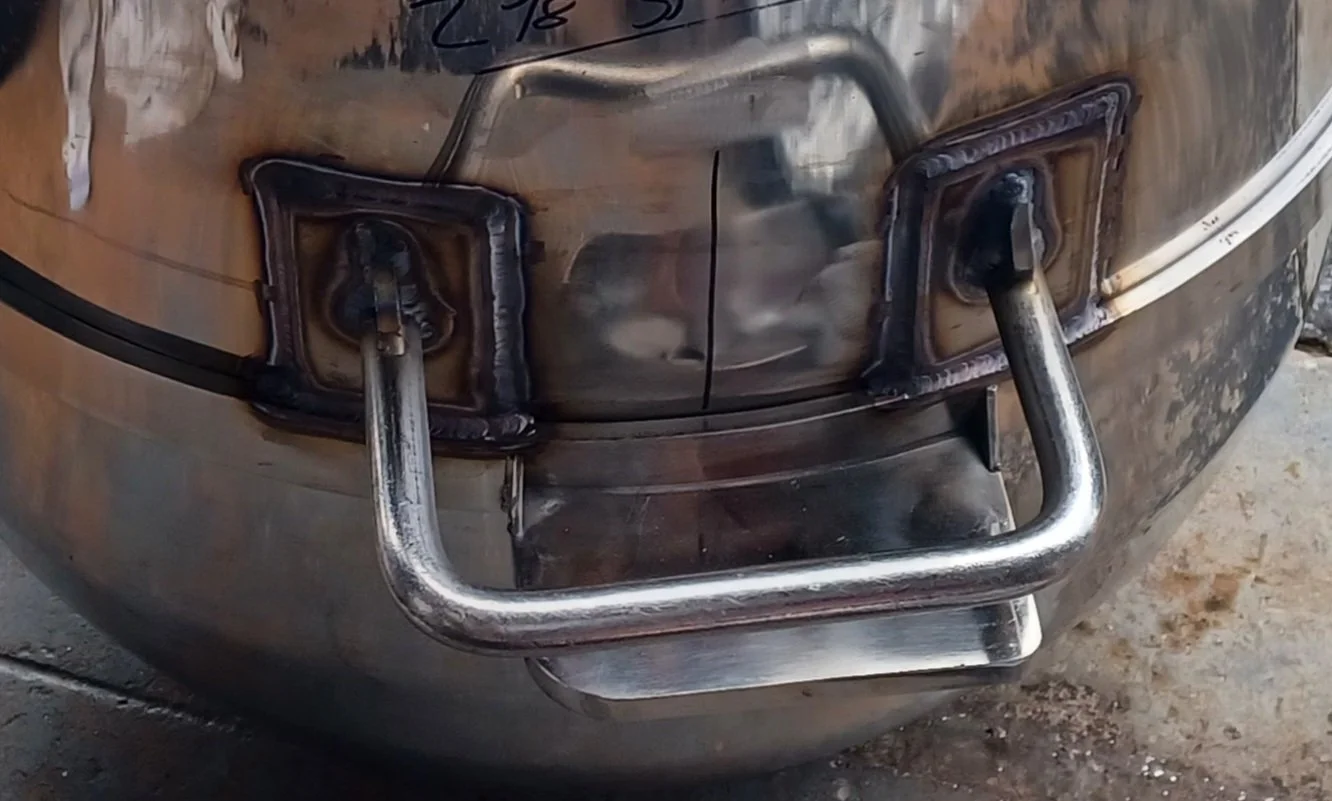
A cracked weld, broken bracket or damaged metal component does not always need to be replaced. In many cases, an experienced metal fabrication shop can remove the damaged material, prepare the joint and weld the component back into usable condition. However, not every broken metal part is a good candidate for welding. The base metal, location of the damage, previous repairs, material thickness and intended use all affect whether a repair is practical. Panzer Aluminum provides metal repair services for aluminum, stainless steel and carbon-steel parts throughout Broward, Miami-Dade and Palm Beach counties. This guide explains what can often be repaired, how the process works and what information helps a fabricator evaluate the job.
What Types of Metal Damage Can Often Be Repaired?
Welding is commonly used to repair localized damage when the surrounding metal remains suitable for the intended use.
Examples can include:
Cracked or separated welds
Broken aluminum, stainless-steel or carbon-steel brackets
Split seams on fabricated components
Damaged mounting tabs or attachment points
Broken hinges, supports and metal hardware
Cracked sheet-metal assemblies
Damaged covers, guards and enclosures
Custom metal parts that are difficult to replace
Localized damage to fabricated equipment components
The fact that a part is metal does not automatically mean it can—or should—be welded. The shop must first determine what failed and whether repairing the damaged area will provide a dependable result.
Why Did the Metal Part Break?
Finding the cause of the failure is one of the most important parts of a repair.
If a bracket cracked because of a single impact, restoring the original joint may be appropriate. If it failed because the part repeatedly flexes, carries more load than it was designed for or lacks proper reinforcement, simply welding the crack closed may allow it to fail again.
Common causes of failure include:
Impact or accidental damage
Repeated vibration
Excessive loading
Poor fit-up or an undersized original weld
Stress concentrated at a sharp corner
Insufficient material thickness
Movement that was not considered in the original design
Previous grinding or modification that weakened the part
An effective repair should address the cause when possible. Depending on the component, that may involve changing the joint, adding a gusset, increasing the weld length, replacing a damaged section or fabricating a new local feature.
The goal is not merely to cover the crack with more weld. The goal is to restore useful function using a repair that makes sense for the part and its application.
Can Aluminum Be Repaired by Welding?
Many aluminum components can be repaired using TIG welding or MIG welding, depending on the alloy, thickness, joint design and size of the part.
Aluminum repairs require careful preparation. The damaged area must be cleaned, and the oxide layer and contaminants must be controlled before welding. Paint, grease, oil and embedded contamination can interfere with the weld.
The alloy also matters. Some aluminum alloys weld readily, while others are difficult to weld or may lose important properties in the heat-affected area. If the alloy is unknown, the fabricator may need additional information about the component before deciding whether to accept the repair.
Aluminum also transfers heat quickly. Thin sections, edges and surrounding features can distort or melt if heat is not controlled properly. This is one reason aluminum repairs should be evaluated by a shop experienced with the material.
Can Stainless Steel Be Repaired by Welding?
Many stainless-steel brackets, sheet-metal components, covers and custom-fabricated parts can be welded successfully.
Cleanliness and heat control are especially important. The correct filler metal and shielding gas must be selected for the base material, and excessive heat can cause discoloration or distortion.
The required appearance should be discussed before work begins. A visible stainless-steel repair may require blending or refinishing after welding, while a functional industrial component may not need the same cosmetic treatment.
It is also important to keep stainless steel separated from tools and abrasives contaminated with carbon steel. Cross-contamination can introduce surface problems that were not present before the repair.
Can Carbon Steel Be Repaired by Welding?
Carbon steel is commonly repaired by welding because many grades are readily weldable and the material is used in a wide variety of fabricated components.
The damaged area still needs proper preparation. A crack may need to be opened or removed before new weld metal is deposited. Broken sections must be aligned and secured so the part does not move during welding.
Material thickness and joint access affect the repair method. A small tab may require a different approach than a heavy bracket or equipment component. Paint, oil, plating and other coatings may also need to be removed from the weld area.
After welding, bare carbon steel generally needs an appropriate finish if corrosion protection or a consistent appearance is required.
When Is Replacement Better Than Repair?
Repair is not always the safest or most economical option. A shop may recommend replacing the component or fabricating a new part when:
The repair area cannot be accessed or prepared properly
The base material or alloy cannot be reliably identified
The component has failed repeatedly in the same location
Previous repairs have significantly changed or damaged the joint
The part is too thin or distorted to restore accurately
Repair labor would cost more than manufacturing a replacement
The finished part must meet requirements that cannot be verified after repair
The shop cannot confidently provide a dependable result
Panzer Aluminum focuses on repairable cracked welds, broken brackets, damaged components and custom metal parts. We do not take on corroded-metal restoration or damaged-frame repair work.
Being clear about the condition and intended use of the part helps avoid wasted time and allows the shop to determine whether repair, partial replacement or complete replacement is the most practical path.
How Does the Metal Repair Process Work?
Although every job is different, a typical repair follows several basic steps.
1. Evaluate the Damage
The shop identifies the material, reviews the failure and determines how the part is used. This evaluation helps determine whether the repair is within the shop’s capabilities and whether additional information is needed.
2. Prepare the Damaged Area
Paint, grease, oxidation and contamination must be removed from the area to be welded. Cracks may need to be ground or cut out rather than simply welded over.
3. Align and Secure the Component
The broken sections are positioned and held in place. Fixtures, clamps or temporary supports may be needed to maintain alignment and control movement during welding.
4. Complete the Weld Repair
The welder selects the process, filler metal and settings appropriate for the base metal, thickness and joint design. TIG or MIG welding may be used depending on the component.
5. Finish and Inspect the Work
The repaired area is checked for alignment and visible defects. Grinding, blending or surface finishing may be completed when included in the job requirements.
What Should You Send for a Metal Repair Quote?
Clear information makes it much easier to determine whether a repair is practical before you bring the part to the shop.
Send:
A photograph showing the entire component
Close photographs of the damaged area
Dimensions or an object in the photograph for scale
The type of metal, if known
An explanation of how the part is used
The cause of the damage, if known
The required quantity
Any appearance or finish requirements
Your location and required completion date
Photographs should be well lit and taken from several angles. Avoid sending only an extreme close-up because the shop needs to understand the damaged area in relation to the complete part.
For a custom component, include any available PDF, DWG, DXF or JPG drawings. If the original part is not worth repairing, those files may help Panzer Aluminum evaluate a custom-fabricated replacement.
Metal Repair Services in South Florida
Panzer Aluminum is a family-owned metal fabrication shop located in Wilton Manors and serving South Florida since 1979. We repair eligible aluminum, stainless-steel and carbon-steel components for businesses, contractors and individual customers throughout Broward, Miami-Dade and Palm Beach counties. Our repair work focuses on cracked welds, broken brackets, damaged components and custom metal parts. Every repair is evaluated individually because the material, damage and intended use determine what can be done.
Have a metal part that may be repairable? Contact Panzer Aluminum, call (954) 566-2963, or email photographs, dimensions and a description of the damage to Weld@panzeraluminum.com.
Frequently Asked Questions
Can You Weld Over a Cracked Weld?
A cracked weld should not normally be covered without preparation. The crack and its cause must be evaluated, and damaged or contaminated material may need to be removed before the joint is welded again.
Can a Broken Aluminum Bracket Be Repaired?
Many broken aluminum brackets can be repaired, but the alloy, thickness, damage location and intended load must be considered. If the original design caused the failure, reinforcement or replacement may be more appropriate.
Can You Repair a Part if the Metal Type Is Unknown?
Sometimes, but an unknown material makes filler-metal selection and repair planning more difficult. Provide any markings, drawings, purchase information or application details available for the part.
Is It Cheaper to Repair or Replace a Metal Component?
It depends on the part. Repair is often worthwhile when the damage is localized and the component is difficult or expensive to replace. A new part may be more economical when repair requires extensive preparation, alignment and finishing.
Does Panzer Aluminum Repair Rusted or Corroded Metal?
No. Panzer Aluminum does not perform corroded-metal restoration. Our repair work focuses on cracked welds, broken brackets, damaged components and custom metal parts made from aluminum, stainless steel and carbon steel.
What Areas Does Panzer Aluminum Serve?
Panzer Aluminum serves customers throughout Broward, Miami-Dade and Palm Beach counties from our Wilton Manors metal fabrication shop.